
By Diane Wells
Originally published in GPSolo eReport, March 2026
American Bar Association
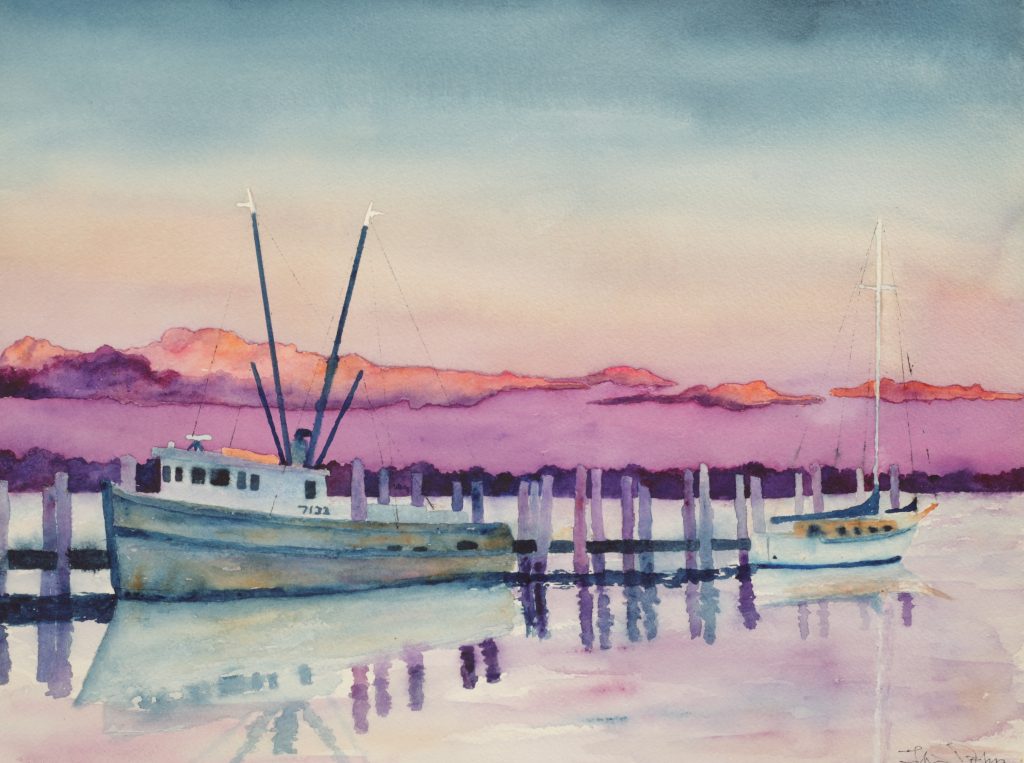
Imagine meeting Perry through his work. He’s a man in his 50s, articulate and thoughtful, with genuine artistic talent. He sells his artwork to support his family, pouring himself into creative expressions that reveal intelligence, sensitivity, and depth of character. If you only knew him through his art, he would be “one of us”—a fellow human being pursuing meaningful work, supporting loved ones, contributing something of value to the world.
Now add one fact: Perry is incarcerated.
How does your perception change? This shift—and our ability to shift back—is what this article explores.
For legal professionals engaged in criminal justice reform, prison artwork serves as a bridge to shared humanity, offering therapeutic value for the incarcerated, redemptive potential for society, and practical insights into what rehabilitation looks like.
Rehabilitation remains a stated goal of incarceration, yet we struggle to define what it looks like or measure whether it’s occurring. Art programs offer something tangible: evidence of transformation, sustained discipline, emotional growth, and identity reconstruction beyond the crime committed. For lawyers working on clemency petitions, parole hearings, or reentry advocacy, understanding creative expression in rehabilitation isn’t peripheral—it’s central to making the case for the whole person.
The connections to core legal principles are direct. Restorative justice frameworks emphasize healing and reintegration, not merely punishment. The Eighth Amendment requires humane treatment, and courts have recognized that rehabilitation programming serves constitutional interests in preserving human dignity. First Amendment considerations arise when prison administrators restrict artistic expression.
The recidivism problem makes this urgent. Studies consistently link creative programming to reduced recidivism rates. When formerly incarcerated individuals return to communities with marketable skills and reconstructed self-worth, they’re far more likely to succeed. Art provides evidence lawyers can present—not just certificates, but actual work product demonstrating skill, commitment, and growth.
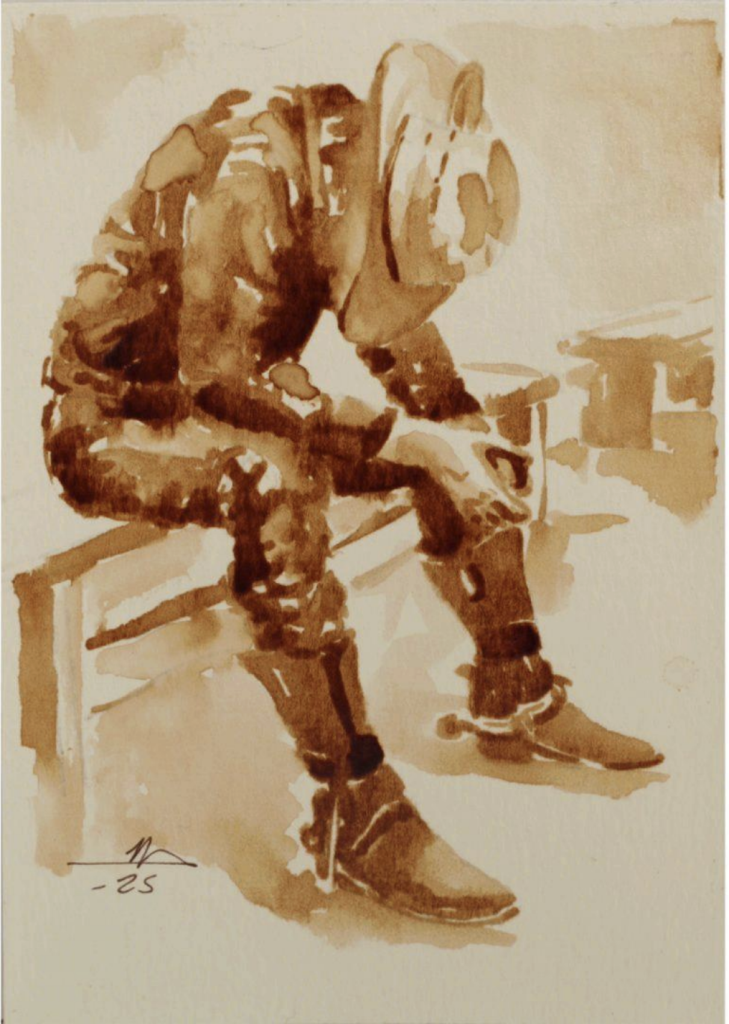
Perry had a family, a life, and a future. He describes what happened as a “bad habit that led to worse and worse decisions.” He committed the crime and doesn’t make excuses. This level of insight doesn’t emerge from simply serving time; it comes from honest self-examination.
For Perry, art became a lifeline. The creative process gave him a way to express what words alone couldn’t capture. His artwork demonstrates sustained focus and discipline—the ability to create beauty in an environment designed for deprivation. These aren’t just artistic skills; they’re life skills that transfer to every aspect of reintegration.
Perry sells his work to support his family, maintaining connection and responsibility from behind bars. He plans to continue his art after release—he has two years of his sentence remaining—viewing his creative work as a bridge between his incarcerated present and free future.
Perry’s request is simple but profound. He’s asking to be seen for who he is now, not only for what he did. “Give him another chance,” a supporter writes, “not because you have to but because he made a mistake and he knows better now.” The art serves as evidence of transformation—an invitation to see his full humanity.
Prison art serves overlapping functions.
First, it provides therapeutic value in an environment where mental health resources are scarce. Creating art helps individuals process guilt, loss, and grief. In the face of institutional dehumanization, making art is an assertion of humanity: “I am more than my worst act, more than my number, more than this cell.”
Second, art enables identity reconstruction. The label “inmate” threatens to swallow whole personhood. Art allows the incarcerated to inhabit an identity—artist—that transcends prison walls. A painting can leave the prison even when the painter cannot.
Third, the creative process under constraint reveals human resilience. Incarcerated artists work with limited materials, restricted space, and minimal support. Yet beauty emerges. This persistence tells us something about the human capacity for growth in even the harshest circumstances.
Fourth, art provides freedom within confinement. The incarcerated body is controlled and restricted, but the creative mind roams. The work exists beyond prison walls, carrying the artist’s voice to audiences who might never otherwise engage with the incarcerated. When society is skeptical of the words of the incarcerated, art speaks in a language that can bypass that skepticism.
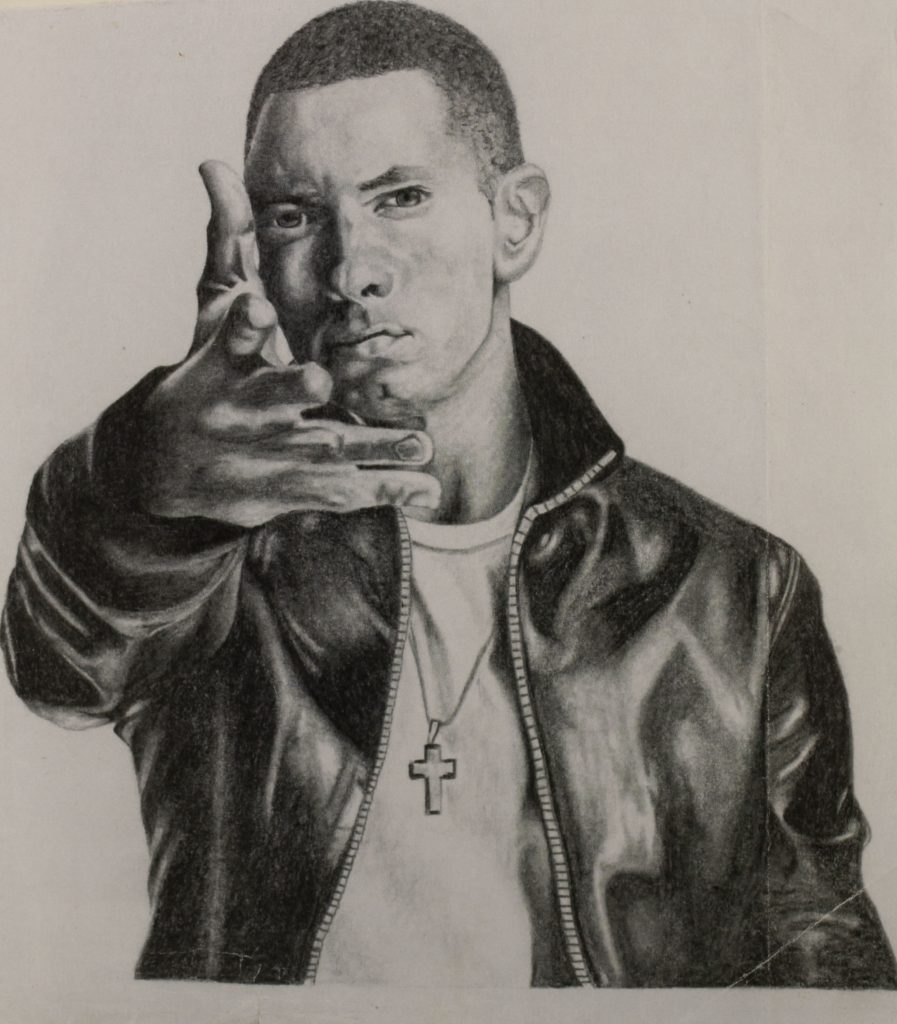
Despite documented benefits, prison art programs face significant challenges. Funding is precarious and vulnerable to budget cuts. Security concerns create administrative hurdles. Contraband rules restrict materials. Censorship rules may restrict content addressing the criminal justice system itself.
Counterarguments deserve engagement. “Prison should be punishment, not art class,” some argue. The response is pragmatic: Rehabilitation reduces the number of future victims. If our goal is public safety, programming that reduces recidivism serves that goal better than purely punitive approaches. Art programs are often self-funded or donor-supported, and the cost of recidivism far exceeds program costs. Both truths can coexist: accountability for harm done and space for people to become better than their worst act.
Impartial, a criminal justice nonprofit organization of which I am the founder and executive director, affirms the humanity of incarcerated artists, using prison artwork to distinguish the person from the punishment.
Legal professionals have multiple pathways for engagement.
In legal practice, introduce artwork as evidence in clemency petitions and parole hearings. Advocate for arts programming in correctional facilities. Connect formerly incarcerated artists with employment opportunities. Provide pro bono support for intellectual property questions.
In policy work, support legislation funding prison arts programs. Challenge overly restrictive policies on materials and expression. Advocate for “ban the box” approaches that allow formerly incarcerated artists to compete fairly.
In community engagement, attend prison art exhibitions. When proceeds support artists and their families, consider purchasing artwork. Facilitate conversations between incarcerated artists and the public. Challenge the perception shift: practice seeing the person first, the crime second, not because the crime doesn’t matter, but because people are not reducible to their worst acts. My nonprofit organization, Impartial, works daily with prison artists and emphasizes that creating artwork helps separate the person from the circumstances of their imprisonment.
In two years, Perry will be released. The artwork he created inside will come with him, a portfolio and a testament. As one supporter wrote, the art “shines the light on his talent and helps to put the past where it needs to be, in the past.” Not forgotten, not erased, but integrated into a fuller understanding of who this person is.
The challenge is whether we can see Perry—and thousands like him—as fully human. Can we hold two truths simultaneously: accountability for harm done and potential for growth? Art doesn’t erase the crime, but it opens a conversation about who Perry is now, what he’s capable of becoming, and what our justice system makes possible or impossible.
When artwork opens conversations, we all rise to a better understanding of our respective humanity. Justice is served not only by punishment but by creating space for people to become better than their worst act. For lawyers committed to justice, recognizing and supporting that transformation isn’t optional. It’s essential.
© 2026 American Bar Association. Reproduced with permission. All rights reserved. This information or any portion thereof may not be copied or disseminated in any form or by any means or stored in an electronic database or retrieval system without the express written consent of the American Bar Association. Pro Bono and Public Service_ Pr…