
This semester, I am taking Criminal Procedure. Criminal Procedure is the sister to Criminal Law, but rather than learning the broad theories and standards for criminal offenses in the courts, you learn the lead-up to criminal prosecution. Criminal Procedure has been very interesting because it is not what many people may think it is. It is not necessarily the step-by-step of what happens once someone is standing in a criminal courtroom. Rather, in its most basic terms, it is about what police can do, and how they can do it, when there is reasonable suspicion or probable cause of a crime. It includes everything from observations and traffic stops to warrants, frisks, searches and seizures, and, most importantly, our Fourth and Fifth Amendment rights.
This course is required for most law students, and anyone who wants to work in litigation or criminal law will likely take Criminal Procedure II as well. I am so glad I am taking this course, but I cannot help but observe how complicated our system is and how many failings there are within it.
So much of the case law we read shapes a system that gives police a wide breadth of authority in what they are allowed to do during an arrest, investigation, or search. Many times throughout this course, I have read a case about what began as a routine traffic stop that ultimately turned into a major drug investigation or felony charge. What is especially interesting is how much of what police can do is limited by the Constitution, and yet how many exceptions, qualifications, and workarounds exist that allow police to try another route when one avenue is blocked.
For example, police generally cannot search a vehicle simply because they have arrested someone if the person has already been secured and is no longer within reaching distance of the vehicle. But the circumstances surrounding that same traffic stop can change what police are permitted to do. Depending on what officers observe, what they know, and what they have reason to believe, an encounter can quickly evolve from a simple traffic stop into a search, an arrest, or something much more serious.
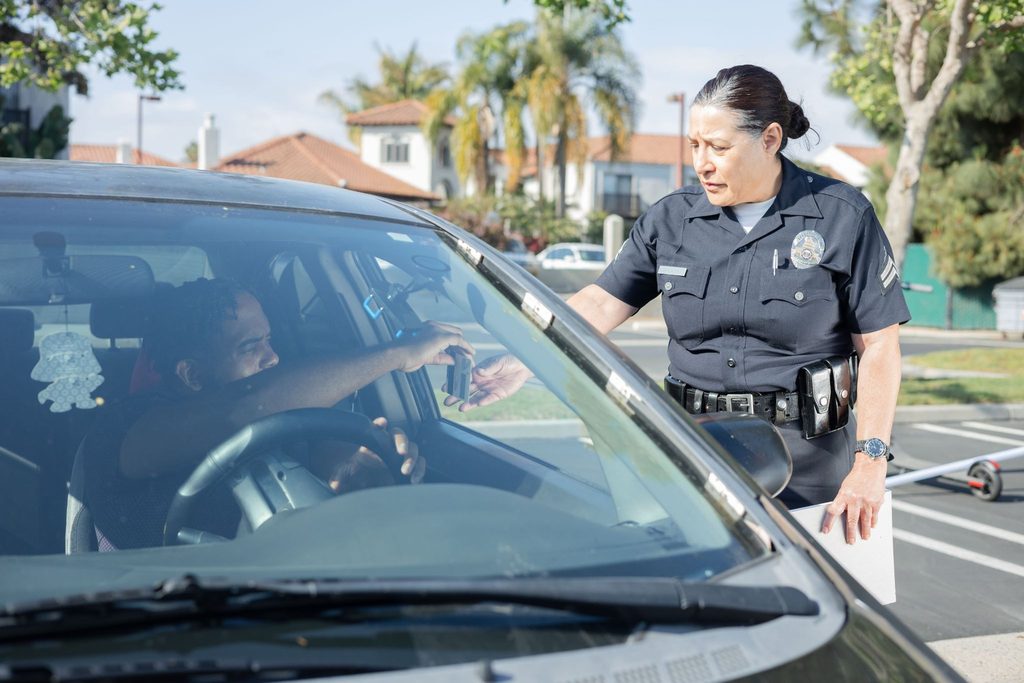
These things have been, for lack of a better word, concerning to learn about. At the same time, it is not all bad. My professor does an excellent job of showing us the other side of things and how the courts protect our Fourth Amendment rights. Our homes are protected against unreasonable searches and seizures. There are limits on when police can stop us, search us, arrest us, and question us. At its core, Criminal Procedure is also about protecting individual autonomy and placing constitutional limits on the power of the government.
And that is probably what has stood out to me the most: how much power the government has, and how important it is that ordinary people understand the rights that exist to protect them from that power.
There is also so much that the general public does not understand about their rights. So many people believe that it is just better to talk to the police, cooperate with everything, or answer every question they are asked. But often, it is not that simple. There are circumstances in which exercising your right to remain silent or asking to speak with an attorney can be incredibly important. Knowing that you have a right is one thing; understanding when and how to exercise it is another.
This course has made me reflect on how much I wish I could create a step-by-step guidebook for every person in America about their rights, what to do in situations involving police and our criminal justice system, and how to ensure that the rights they are afforded are actually being exercised. It feels like such a failing in our education system that we do not learn more about these things in school and are instead left to be taught by family members or friends, who are often just as unfamiliar with the law.
These rights are incredibly important, yet they are complicated, nuanced, and often difficult to understand. Why does it require seven years of additional education to understand so much of this? It shouldn’t.
That does not mean that everyone needs to become a lawyer. But I do think everyone should have a basic understanding of the constitutional rights that can affect them in some of the most stressful moments of their lives. A person should not need to have taken a law school class to understand that they have constitutional protections. And yet, in practice, knowing what those protections actually mean can make an enormous difference.
Criminal Law and Criminal Procedure have been incredibly valuable to me in developing a more well-rounded legal education. More than that, they have changed the way I think about our criminal justice system. I am beginning to understand just how much of someone’s experience with the system can be determined before they ever enter a courtroom.
I also feel fortunate that, in a few years, I will be able to use what I have learned to help advise and protect the people I love. For now, I would encourage everyone to try to understand their rights, how they should interact with police, and what they should do, or not do, in difficult moments involving our justice system. It is not an exact formula. Every situation is different, and the law is rarely as simple as a checklist. But even a basic understanding of your rights can be incredibly powerful.